Buying your first home can feel exciting and overwhelming at the same time, especially in a neighborhood with as much character as Hampton Heights. You may love the charm, walkability, and historic feel, but still wonder how to shop smart, budget wisely, and avoid surprises. This guide will help you understand what to expect, what to watch for, and how to move forward with confidence in Hampton Heights. Let’s dive in.
Why Hampton Heights Stands Out
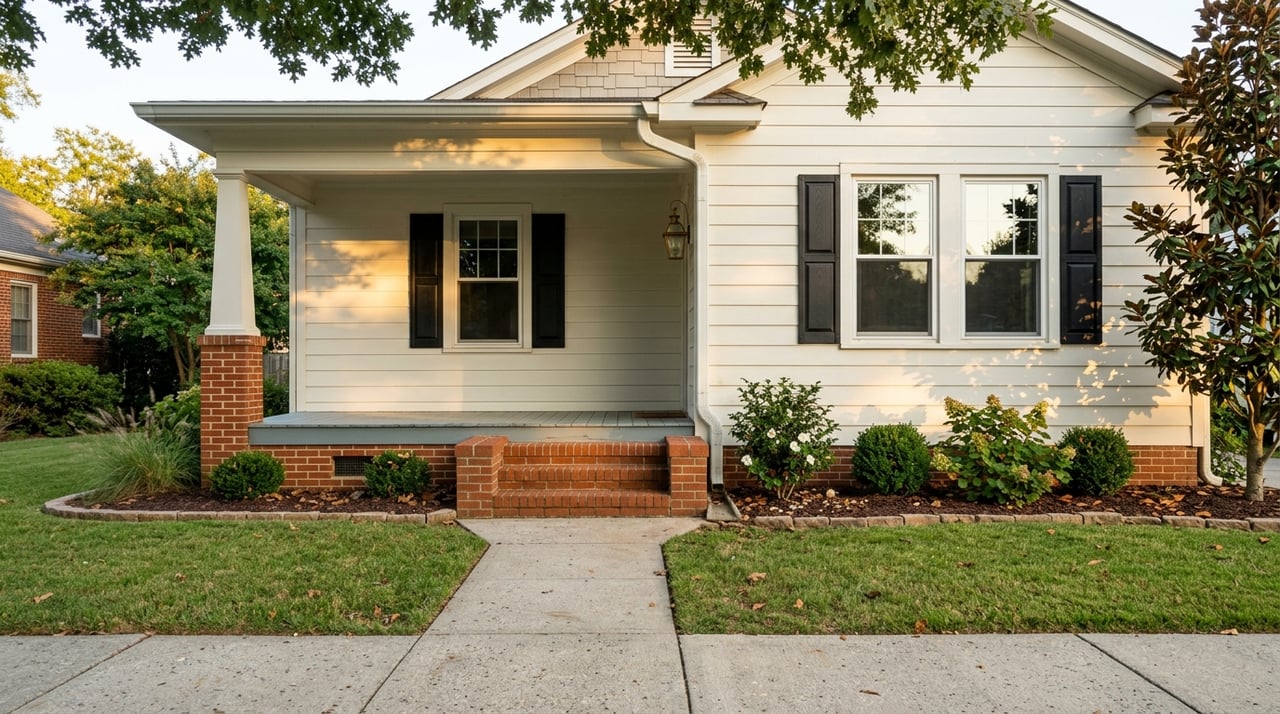
Hampton Heights is one of the City of Spartanburg’s two locally designated historic districts. According to the city, the district includes 375 residences, was developed between 1890 and 1930, and was listed on the National Register of Historic Places in 1983.
For many first-time buyers, that means you are not just buying a house. You are buying into a neighborhood with established architectural character and a strong sense of place. The neighborhood association also notes that Hampton Heights is within walking distance of downtown Spartanburg, which adds to its appeal for buyers who want convenience along with historic charm.
What First-Time Buyers Can Expect on Price
Home prices in Hampton Heights tend to cluster around the mid-$190,000s, but this is a thin, condition-driven market. Research sources show neighborhood value and sale figures around $194,000 to $195,000, with an average price per square foot near $143 and about 2.8 months of supply.
That said, you should expect a wide range in actual sale prices depending on updates, maintenance, and overall condition. Recent sold examples in the neighborhood include homes at $145,000, $185,000, $287,000, $300,000, and $312,000. In a neighborhood like this, cosmetic appeal alone does not tell the full story. The quality of renovation work and the condition of major systems can have a big impact on value.
Why Condition Matters More Here
Because Hampton Heights was developed in the early 20th century, older-home issues should be part of your planning from day one. Historic homes often offer beautiful details, but they may also need more careful review than a newer property.
The city’s historic guidelines point buyers toward exterior features that often need ongoing maintenance or repair. These include roof form and pitch, windows, porches, doors, chimneys, and exterior materials. For a first-time buyer, that means due diligence is especially important before you commit.
Start With a Strong Budget Plan
Before you start touring homes, build a budget that goes beyond the purchase price. In Hampton Heights, your monthly payment is only one piece of the puzzle.
You should also plan for:
- Down payment and closing costs
- Inspection costs
- Immediate repairs or safety updates
- Ongoing maintenance for an older home
- A repair reserve for unexpected issues after closing
In a historic neighborhood, a lower purchase price does not always mean a lower total cost of ownership. A home that looks like a bargain may need repairs, preservation-compliant exterior work, or system upgrades soon after move-in.
Explore South Carolina Financing Options
If you are a first-time buyer, state-level programs may help make your purchase more manageable. SC Housing offers fixed-rate mortgage options with or without down payment assistance for first-time homebuyers and low-to-moderate-income families.
One option highlighted in the research is Palmetto Home Advantage. This program is available statewide to first-time, move-up, and repeat buyers. It offers conventional, FHA, VA, and USDA loan options, requires a minimum 640 credit score, uses a borrower income limit of $135,750, and offers forgivable down payment assistance of 0%, 3%, or 4% of the loan amount.
It is also important to know what does not apply locally. SC Housing’s County First initiative does not include Spartanburg County, so Hampton Heights buyers should not count on that program.
Consider Renovation Financing Carefully
Some Hampton Heights homes may need more than minor cosmetic work. If you are looking at a property that needs substantial repairs, HUD’s FHA 203(k) program may be worth discussing with your lender.
According to HUD, the Limited 203(k) allows up to $75,000 in repair, improvement, or upgrade financing. The Standard 203(k) is for major rehabilitation projects of at least $5,000. The contractor must obtain permits, and funds are paid out in stages through the loan process.
This kind of financing can be useful when a home has potential but needs major work to make it functional or comfortable. Still, it adds process and planning, so it is best for buyers who are prepared for a renovation timeline.
Schedule Inspections Early
A home inspection is one of the most important steps in your purchase. Consumer guidance in the research recommends scheduling an independent inspection as soon as possible, attending the inspection if you can, and using inspection and financing contingencies so you are not forced to close if serious problems come up.
In Hampton Heights, inspections matter even more because older homes can have layered maintenance issues. A general inspection can help you better understand the condition of the roof, windows, porch, chimney, and other major components that often affect both safety and long-term cost.
Know the Difference Between Inspection and Appraisal
Many first-time buyers confuse these two steps. They are not the same.
An inspection helps you understand the home’s condition. An appraisal helps the lender determine value for the loan. The research also notes that lenders generally require an appraisal, and major issues, such as the need for a new roof, can sometimes trigger lender-required repairs or an escrow requirement.
Understand Lead Paint Rules
If you buy a home built before 1978, lead-based paint should be on your radar. EPA guidance in the research says many homes built before 1978 have lead-based paint, and sellers of those homes are required to disclose known lead-based paint information, provide available records, and give buyers the lead pamphlet.
Buyers must also be given time to test for lead hazards before becoming obligated under contract. If you plan to renovate after closing, it is also important to know that repair or painting work that disturbs old painted surfaces can create hazardous lead dust. That is one more reason to plan renovation work carefully.
Learn the Historic District Rules
One of the biggest differences in Hampton Heights is that exterior changes are not simply a matter of personal preference. The City of Spartanburg says the Historic Architecture and Review Board reviews proposed exterior changes, additions, and new construction in the city’s historic districts to ensure consistency with Historic Design Guidelines.
For buyers, this matters before you make an offer, not after. If you are dreaming about replacing windows, changing a porch, altering the roofline, or building an addition, you need to understand that there is a review process for exterior work.
What the Guidelines Emphasize
The Hampton Heights guidelines focus on compatibility rather than wholesale replacement. They note that new roof pitches should be consistent with nearby buildings, roof additions visible from the street are strongly discouraged, existing windows should be retained and repaired when possible, replacement windows should match original size, material, and design, and additions should generally go to the rear.
That does not mean you cannot improve a home. It means your plans should fit the structure and the district’s character. For a first-time buyer, that is an important part of choosing the right property.
Look Into the State Historic Tax Credit
If you plan a substantial renovation, South Carolina’s homeowner historic rehabilitation tax credit may be an important tool. The South Carolina Department of Archives and History says owner-occupied residences may qualify for a 25% state historic rehabilitation tax credit on many repair and renovation costs, but the project must be submitted for review and approval before work begins.
The same guidance says the home must be owner-occupied and either individually listed, contributing to a listed National Register district, or otherwise eligible. Qualifying expenses can include exterior rehabilitation, structural systems, plaster, HVAC, electrical, plumbing, and architecture or engineering fees.
There is also a spending threshold. The homeowner must spend more than $15,000 in qualifying rehabilitation expenses within 36 months. That means this credit is most useful for buyers planning a meaningful renovation, not just light cosmetic updates.
Plan for Property Taxes Correctly
Property taxes are another area where first-time buyers should plan ahead. In South Carolina, property tax is calculated using appraised value, assessment ratio, and millage rate.
For owner-occupied real property, the assessment ratio is 4%. Commercial and rental real property are assessed at 6%. The South Carolina Department of Revenue also says the legal residence classification applies to a current primary home, and homeowners must apply through the county assessor to receive that 4% assessment ratio.
If you are buying Hampton Heights as your primary residence, that step can affect your long-term housing cost. It is a good item to keep on your post-closing checklist.
Build a Smart Offer Strategy
In a neighborhood with older housing stock, a strong offer is not always the same as the highest emotional bid. It is the offer that balances competitiveness with protection.
The research recommends including both financing and inspection contingencies so you are not required to close if the loan falls through or the inspection reveals serious defects. In Hampton Heights, it is also wise to keep a realistic repair reserve for maintenance, preservation-compliant exterior work, and code-related updates that older homes may need.
A Practical First-Time Buyer Checklist
Before you make an offer, try to confirm these basics:
- Your monthly budget feels comfortable, not stretched
- You understand the likely repair needs of the home
- You have funds set aside beyond closing
- You know whether any planned exterior changes may require review
- You have asked about loan options and assistance programs
- You are clear on inspection and financing contingency timelines
- You understand whether the home may qualify for historic rehabilitation incentives
Why Local Guidance Matters
Buying your first home is a big milestone. Buying your first home in a historic district adds another layer of decisions, from inspections and financing to renovation planning and property tax setup.
That is where experienced local guidance can make a real difference. In a neighborhood like Hampton Heights, you want someone who understands Spartanburg, knows how older homes can differ from one block to the next, and can help you stay calm and informed from showing to closing.
If you are thinking about buying your first home in Hampton Heights, Cindy McPhee-Barrett can help you understand the neighborhood, navigate the process, and move forward with confidence.
FAQs
What price range should first-time buyers expect in Hampton Heights?
- Recent neighborhood data clusters around the mid-$190,000s, but sale prices can vary widely based on condition, updates, and renovation quality.
What should first-time buyers inspect in an older Hampton Heights home?
- Buyers should pay close attention to major components and historic features such as the roof, windows, porches, doors, chimneys, and exterior materials.
Do Hampton Heights homes have historic district renovation rules?
- Yes. Because Hampton Heights is a locally designated historic district, proposed exterior changes, additions, and new construction are reviewed by the City of Spartanburg’s Historic Architecture and Review Board.
Can Hampton Heights buyers get help with down payment assistance?
- Some buyers may qualify for SC Housing programs, including Palmetto Home Advantage, which offers fixed-rate options and forgivable down payment assistance for eligible borrowers.
Can a Hampton Heights home qualify for a South Carolina historic tax credit?
- It may, if the home is owner-occupied, meets eligibility requirements, and the approved rehabilitation project includes more than $15,000 in qualifying expenses within 36 months.
What property tax rate applies to a primary residence in Hampton Heights?
- In South Carolina, owner-occupied real property is assessed at 4% if it qualifies as a legal residence and the homeowner applies through the county assessor.